
Guide Signs Abu Dhabi for Safe and Efficient Navigation
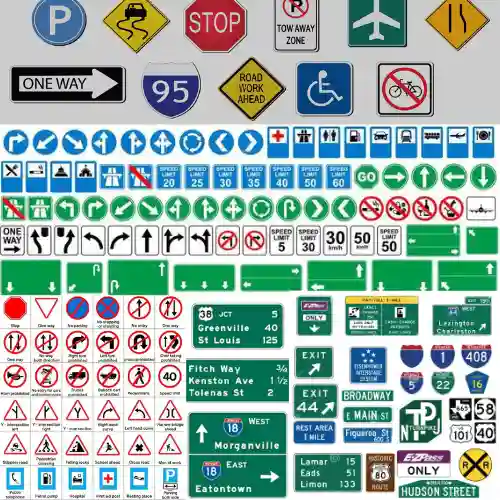
Guide Signs Abu Dhabi by Display Sign and Art provide drivers, pedestrians, and commuters with clear and reliable direction across Abu Dhabi and the UAE. Designed to ensure smooth traffic flow and improve safety, our guide signage solutions combine clarity, durability, and compliance with UAE traffic standards. Whether you need highway guide signs, street direction boards, or public facility navigation signs, our Guide Signs Abu Dhabi are built for maximum visibility, precision, and weather resistance — helping roads stay safe and organized.
Guide Signs Abu Dhabi by Display Sign and Art help drivers, pedestrians, and commuters navigate safely and efficiently across Abu Dhabi and the UAE. Designed for clarity, compliance, and durability, our guide signage ensures smooth traffic flow, improved road safety, and effortless wayfinding. Whether you require highway direction boards, street name signs, or facility navigation systems, our Guide Signs Abu Dhabi are built to deliver maximum visibility, weather resistance, and long-lasting performance — keeping every journey safe and organized. Whether you need highway guide signs, street direction boards, or public facility navigation signs, our Guide Signs Abu Dhabi are built for maximum visibility, precision, and weather resistance — helping roads stay safe and organized.
Expertly Crafted Guide Signs Abu Dhabi
With over 15 years of experience, Display Sign and Art specializes in end-to-end Guide Signs Abu Dhabi — from concept and design to fabrication, installation, and maintenance. Our certified team has successfully completed thousands of signage projects across the UAE, making us one of the most trusted names in traffic and directional signage.

About Display Sign and Art
Custom Guide Sign Design and Fabrication
At Display Sign and Art, we specialize in end-to-end Guide Signs Abu Dhabi, covering everything from concept development and design to fabrication, installation, and maintenance.
Our process includes:
Consultation & Design: Understanding your traffic or facility needs
Material Selection: Using aluminum, acrylic, and reflective materials
Fabrication: Precision manufacturing for clear and compliant signage
Installation: Safe and accurate placement for maximum visibility
Each Guide Sign Abu Dhabi is custom-built to meet UAE road authority standards, ensuring clarity and compliance on every route.
- 15+ Years in Business | 1.5k Happy Clients | 2.5k Projects Completed | 150+ Trained Staff
15+
Years In Business
1.5k
Happy Clients
2.5k
Projects Completed
150+
Trained Staff
We design, manufacture, and install a wide variety of Guide Signs Abu Dhabi, suitable for public roads, highways, and private properties.
Types of Guide Signs Abu Dhabi
We provide a wide range of Guide Signs Abu Dhabi suitable for public roads, highways, and private developments:We design and install a wide range of Guide Signs Abu Dhabi suited for public roads, highways, and private properties:


Golden Falcon Groups of companies
Benefits of Guide Signs Abu Dhabi
- Improve Traffic Flow: Ensure smooth and organized road navigation
- Enhance Safety: Reduce confusion and prevent accidents
- Compliant Designs: All signs follow UAE traffic regulations
- High Visibility: Reflective coatings improve readability in low light
- Durable Construction: Built from premium materials for long-term use
- Custom Options: Size, shape, and design tailored to your project needs

Display Signs & Art
Why Choose Display Sign and Art?
Expert Designers
Experienced professionals specializing in road and facility signage
Premium Materials
Long-lasting and weatherproof construction
Professional Installation
Guaranteed accuracy and alignment
Local Expertise
Deep understanding of Abu Dhabi road standards
Full-Service Support
From design to installation and maintenance
Installation and Maintenance Services
Our team provides comprehensive installation and after-service maintenance for all Guide Signs Abu Dhabi. We ensure proper placement, height, and angle for visibility, while also offering:
- Sign cleaning and restoration
- Reflective surface replacement
- Periodic inspections and repositioning
Client Testimonials
Lorem ipsum dolor sit amet, consectetur adipiscing elit. Ut elit tellus, luctus nec ullamcorper mattis, pulvinar dapibus leo.

— Simo, Abu Dhabi
CHEF
“Display Sign and Art created our Guide Signs Abu Dhabi for a city road project. The signs are clear, durable, and perfectly installed.”

— Fatima R., Dubai
DIRECTOR
“Great team and professional work! Their guide signs improved navigation in our commercial complex.”

— Steve T., Abu Dhabi
CFO
“Reliable team, excellent service, and top-quality materials. Highly recommend.”
Don't Know What To Start With?
About Display Sign and Art
Display Sign and Art is a trusted signage company in Abu Dhabi, specializing in Guide Signs, Regulatory Road Signs, Warning Signs, and Informational Signage Solutions.
We deliver durable, reflective, and compliant signage across Abu Dhabi, Dubai, and the UAE, ensuring clarity and safety on every project.
Contact Us Today
📞 Call us today or request a free quote to get started!
Phone: +971 50 492 0403
Email: info@displaysigns.com
Free Consultation
Get A Free Quote
Guide Signs Abu Dhabi: The Complete Practical Guide
What Guide Signs Mean in Abu Dhabi
The role of Abu Dhabi Mobility and transport law
Guide signs are the signs that tell people where to go, how to stay on the right route, and how to reach the next destination without second-guessing every turn. In Abu Dhabi, that job sits inside a much larger mobility system. Abu Dhabi Mobility, the new brand identity of the Integrated Transport Centre, says its remit covers land transport, aviation, maritime activities, and driver and vehicle licensing services, and it frames that work around a “smart, sustainable, and safe mobility ecosystem.” That phrasing matters because guide signs are not decorative boards bolted onto poles. They are part of the operating language of the network itself. The legal backdrop is also current and relevant: the Ministry of Interior announced that Federal Decree-Law No. 14 of 2024 came into force on 29 March 2025, with the stated aim of enhancing road safety, organising vehicle movement, and ensuring adherence to safe driving standards. Put those two points together and the picture becomes clear: in Abu Dhabi, guide signs are part of how mobility policy turns into something drivers, visitors, contractors, and facility operators can actually use in the real world.
Why guide signs matter in a tourism-led, multilingual city
Abu Dhabi is not a place where signage only serves daily commuters who already know every exit by heart. The emirate is actively growing its tourism footprint, and the official targets are big. The Department of Culture and Tourism’s Tourism Strategy 2030 aims to lift visitor numbers to 39.3 million, raise the sector’s GDP contribution to AED 90 billion, and create 178,000 jobs by 2030. On top of that long-range target, Abu Dhabi Media Office reported that from January to October 2024, the emirate welcomed 4.8 million hotel guests, with a 26% increase in international guests from 26 key source markets. That kind of traffic changes the way you should think about wayfinding. A guide sign in Abu Dhabi is doing more than pointing locals to the next junction; it is helping first-time tourists, visiting contractors, logistics drivers, and residents from dozens of language backgrounds move with less stress and fewer mistakes. That is one reason the UAE government states that road and traffic signs are in Arabic and English. In a city that is expanding as a global destination, bilingual and highly legible guide signs are not a nice extra. They are basic operating infrastructure.
Main Types of Guide Signs in Abu Dhabi
Directional signs
When people search for Guide Signs Abu Dhabi, they usually mean one core thing: clear directional information that gets users from A to B without confusion. On Display Sign and Art’s Guide Signs Abu Dhabi page, the company groups its offering into directional signs, exit and entry signs, street name boards, facility guide signs, route information signs, and custom guide signs. That categorisation is useful because it mirrors how buyers actually think. A contractor planning a road project does not want vague terminology; they want to know whether they need a highway direction board, an access sign for parking, a street identification board, or a campus wayfinding system. The same page also positions guide signs as tools for smooth traffic flow, improved safety, visibility, durability, and compliance with UAE traffic standards, which is exactly how most serious road and facility managers assess signage. In other words, the category is broad, but the buying decision is specific. The more precisely a project defines the purpose of the sign, the easier it becomes to choose the right size, message hierarchy, materials, location, and installation approach. That is where good guide signage starts: not with printing, but with purpose.
Display Sign and Art groups common Abu Dhabi guide signage into the categories below.
| Guide sign type | Typical purpose | Common use environment |
|---|---|---|
| Directional signs | Point users toward cities, streets, or landmarks | Roads, highways, private developments |
| Exit and entry signs | Show access and movement in or out of a site | Highways, parking zones, gated sites |
| Street name boards | Identify streets and residential/urban routes | Urban roads, neighbourhoods |
| Facility guide signs | Direct visitors inside large destinations | Hospitals, malls, schools, complexes |
| Route information signs | Help users plan onward travel | Public roads, project sites |
Highway and arterial route boards
On faster roads, guide signs need to work almost like a second pair of eyes. Drivers cannot pause, zoom in, or reread the message the way they would on a phone screen. They need the right destination, at the right time, in the right lane, with enough decision distance to move safely. That is why highway and arterial route boards matter so much in Abu Dhabi. The practical evidence is visible in how Abu Dhabi Mobility manages major traffic demand. During visitor operations around Sheikh Zayed Grand Mosque, the authority said it used mobile electronic signs and activated directional messages on fixed Variable Message Signs (VMS) to guide road users to the best available routes. For the Formula 1 Etihad Airways Grand Prix, Abu Dhabi Mobility likewise said VMS would be used to update the public on traffic developments around the event area. That tells you something important: even in a modern, digitally managed network, the city still depends on large-format directional guidance to keep traffic flowing. Highway guide signs are the backbone, and dynamic boards are the flexible layer that responds when demand spikes, routes change, or a major destination suddenly attracts thousands of vehicles at once.
Street-level destination signs
If highway guide boards are the backbone, street-level destination signs are the nerves. They take broad movement and turn it into precision. This is where a driver or pedestrian stops asking, “Am I going the right way?” and starts asking, “Which entrance, which block, which access road?” In Abu Dhabi, that layer matters everywhere from business districts to residential streets to public institutions. Display Sign and Art specifically lists directional signs for cities, streets, and landmarks, and it separately lists facility guide signs for places such as hospitals, malls, schools, and complexes. Official Abu Dhabi planning guidance also reinforces the need for this kind of wayfinding at the destination level. In the emirate’s mosque planning guidance, DMT states that wayfinding signage directing people to the mosque should be provided in shared and/or off-site parking areas. That is a small line with a big implication: guide signage in Abu Dhabi is not only about roads between places; it is also about orientation once people arrive near the place. That is why strong projects treat destination-level signage as part of the whole user journey, not as an afterthought once the gate is built and the traffic starts moving.
Exit and entry signs
A lot of projects underestimate exit and entry signs because they look simple on paper. In reality, they are often the signs that prevent hesitation, wrong turns, bottlenecks, and unsafe reversing. Display Sign and Art explicitly separates exit and entry signs from other directional signs and describes them as being installed along highways and parking areas. That distinction makes sense. An exit sign is not just another arrow; it is a decision point. It tells users whether they are about to leave a main corridor, enter a controlled site, move into a parking system, or return to the public road. In busy environments, especially mixed-use developments and event venues, those decisions happen fast and under pressure. A clear entry sign reduces the instinct to brake late or stop suddenly. A clear exit sign reduces last-second lane changes and unnecessary loops around the site. The smartest buyers in Abu Dhabi understand that these signs have to be readable before the turn, not at the turn. They also have to fit the environment: what works on a fast road is not the same as what works at a hospital gate, warehouse yard, hotel drop-off, or basement ramp. Good exit and entry signage is simple, but simple is exactly why it needs to be done well.
Parking and facility access signs
Parking guidance is where wayfinding either feels effortless or turns into a headache. In a city that hosts major religious, tourism, retail, and event traffic, parking and facility access signs do a huge amount of invisible work. Abu Dhabi Mobility’s visitor plans around Sheikh Zayed Grand Mosque are a direct example: the authority said it provided mobile electronic signs to help visitors locate designated parking areas, while fixed VMS around the mosque carried directional messages to guide road users. That is not a minor operational detail. It shows that access signage sits at the centre of crowd management, visitor satisfaction, and road safety. DMT planning guidance makes the same point from a design angle by recommending wayfinding signage in shared or off-site parking areas for mosques. So whether the site is religious, commercial, healthcare, or educational, access signs have a common mission: cut confusion before it turns into congestion. For property managers and contractors, the takeaway is straightforward. Do not think of parking signs as a cheap finishing touch. Think of them as the last mile of the transport system. When that last mile is unclear, the whole trip feels broken. When it is clear, the whole place feels organised and easier to trust.
Street name and route information signs
Street name boards and route information signs do not usually get the spotlight, but they are the glue that holds everyday navigation together. Display Sign and Art identifies street name boards as useful for urban and residential identification, and route information signs as tools that help drivers plan safe and efficient travel. That sounds simple, yet this is the layer that makes delivery routes cleaner, ride-hailing pickups faster, emergency response easier, and neighbourhood navigation more intuitive. Think about how many journeys now depend on a blend of physical and digital wayfinding. Even when a user follows a navigation app, they still confirm decisions by looking for street names, route references, and visible directional boards. Physical signage is the confidence check. It tells the driver, “Yes, this is the street,” or “Yes, that is the correct route.” In a bilingual environment, that reassurance becomes even more valuable because consistent naming and legibility reduce mismatch between spoken directions, map labels, and what appears in the field. Route information signs are especially useful where one decision connects to many later decisions. They do not merely identify a point on the network; they help the user understand what comes next. That is why they matter so much in real projects.
Public-facility guide signs
There is a special category of guide signage that matters once people move beyond the public road and into a destination: public-facility guide signs. These are the boards that take a visitor from the gate to the right building, from a car park to reception, from a campus road to an outpatient wing, or from a mixed-use district to the correct tower. Abu Dhabi’s official design and planning materials consistently push this idea of integrated wayfinding. DMT-linked rating and design materials refer to the need for comprehensive and intuitive signage systems, while the emirate’s architectural and mosque design guidance includes examples where wayfinding signage and lighting are treated as part of a larger public-realm experience. That matters because a facility sign is not just a mini road sign. It is part instruction, part accessibility tool, part crowd-management device, and part brand signal for the place itself. For hospitals, schools, malls, and government complexes, good facility guide signs reduce stress the moment a visitor enters the site. And in places where users may already feel pressure, such as healthcare or major events, that reduction in friction is valuable. Clear facility wayfinding makes a place feel calmer, more competent, and easier to navigate from the first minute.
Standards, Language, and Visibility
Arabic-English presentation
One of the smartest things about guide signs in Abu Dhabi is also one of the most practical: the signage environment is built for a multilingual reality. The UAE government states that road and traffic signs are in Arabic and English, and it also notes the same bilingual approach more generally for commercial outlet signs. That bilingual presentation is not just a translation exercise. It is a design discipline. It shapes spacing, hierarchy, font sizing, message length, and visual balance. A sign that looks clean in one language can become crowded or hard to scan when two languages need to live together clearly. That is why well-designed guide signs do not simply dump text onto a board. They prioritise the destination, reduce unnecessary words, and use arrows, layout, and repetition to support fast understanding. In Abu Dhabi, that matters for residents, tourists, business travellers, school transport users, and contractors alike. It also matters for consistency across networks. When bilingual signs are handled well, drivers trust them. When the hierarchy feels messy, users hesitate. So the real lesson is not just that Abu Dhabi uses Arabic and English. It is that bilingual readability itself is part of compliance-quality design. A guide sign succeeds only when both language groups can understand it quickly and under real movement conditions.
Materials, lighting, and readability
A guide sign can say the right thing and still fail if the material, finish, or visibility is wrong. Abu Dhabi’s climate is not gentle on outdoor assets. Heat, glare, dust, and night-time readability all push signage harder than people often expect. That is why material choice is not a side issue. On its guide-sign product page, Display Sign and Art says its process includes aluminum, acrylic, and reflective materials, and it emphasises visibility, weather resistance, and long-term performance. Official Abu Dhabi guidance points in the same direction from the public-safety side. The traffic detour procedures manual says the approved work-zone manual focuses on road-user safety to the highest standards and practices, while DMT design guidance for wayfinding notes that outdoor signage should integrate lighting in areas of high night-time use. Put plainly, a guide sign in Abu Dhabi needs to be readable in bright daytime conditions, visible after dark, and durable enough to hold its clarity rather than fading into guesswork. This is why cheap production usually costs more later. If reflectivity is poor, if lighting is ignored, or if materials age badly, the sign stops functioning like guidance and starts functioning like clutter. Good signage is not just printed information; it is information engineered for the environment.
Temporary and electronic guide signs
Static signs do a lot, but they cannot solve every traffic condition. That is where temporary and electronic guide signs step in. Abu Dhabi Mobility’s operational updates show this clearly. Around Sheikh Zayed Grand Mosque, the authority said it deployed mobile electronic signs and activated messages on fixed Variable Message Signs to guide visitors and road users to the best available routes. For Formula 1 traffic management on Yas Island, it said VMS would be used to update the public on traffic developments around the event area. These are not fringe tools. They are proof that modern guide signage in Abu Dhabi is now both fixed and dynamic. Static signs create the permanent framework; electronic signs handle the surge, the detour, the peak-period route change, the event crowd, or the parking overflow. That is especially relevant for contractors and facility operators because it widens the conversation. The question is no longer only, “What permanent sign do we install?” It is also, “When do we need a flexible message layer?” In a fast-changing urban environment, dynamic guidance keeps the network intelligible when normal conditions break. And that is exactly what strong wayfinding should do: stay useful not only on an average day, but also on the busiest, strangest, and most demanding ones.
How to Choose a Guide Sign Supplier in Abu Dhabi
Compliance, permits, and installation checks
Choosing a guide sign supplier in Abu Dhabi is not only about who can fabricate a clean-looking board. It is about who understands the compliance chain from concept to installation. The clearest official reminder comes from Abu Dhabi’s traffic detour procedures manual. It says applicants for traffic detour works must submit a traffic management plan signed and stamped by both contractor and consultant, and that the plan should include dimensions, details, safety equipment, and tools used in proposed traffic diversions. The engineer reviewing the application considers the type of works, location, nature of work, implementation duration, dates, commencement timing, engineering details, tools, devices, and safety conditions. The same manual also says starting work before receiving the stamped permit and attachments is treated as a violation. That is a strong signal for buyers: the right supplier is one that can work inside the system, not around it. If you are evaluating a partner like Display Sign and Art, the useful questions are practical ones. Can they define the correct sign category? Can they specify durable materials? Can they coordinate compliant layouts, installation logic, and maintenance? Their site says they provide end-to-end design, fabrication, installation, and maintenance, and that they work with reflective materials suited to guide signage. For many projects, that full-service approach is exactly what reduces risk, rework, and delay.
Conclusion
The simplest way to think about Guide Signs Abu Dhabi is this: they are the visible language of movement. They tell people where to go on highways, how to enter a site, where to park, which street they have reached, and how to find the right facility once they arrive. In Abu Dhabi, that language sits inside a formal mobility system shaped by Abu Dhabi Mobility, current traffic law, bilingual public communication, and a city strategy built around growth, tourism, and smoother movement. Official sources show the same pattern again and again: better guidance supports safer roads, clearer routes, calmer visitor flows, and smarter event management. So whether you are a contractor, developer, facility manager, or business owner planning directional signage, the goal should not be to install the cheapest sign fast. The goal should be to install the right sign, in the right place, with the right material, message hierarchy, and compliance path. When that happens, guide signage stops feeling like a background object and starts doing what it was built to do: make movement simpler.
FAQs – Guide Signs Abu Dhabi
1. What are Guide Signs Abu Dhabi and why are they essential?
Guide Signs Abu Dhabi are traffic signs designed to provide clear directions, route guidance, and important information to drivers and pedestrians. High Rated Company Guide Signs Abu Dhabi ensure these signs are visible, easy to understand, and strategically placed, helping prevent accidents and improve overall traffic flow in urban and highway areas.
2. How do Expert Guide Signs Abu Dhabi enhance road safety?
Expert Guide Signs Abu Dhabi are designed with high-visibility reflective surfaces, proper fonts, and clear symbols to ensure drivers can read them from a distance. This maximizes safety on highways, intersections, and busy city streets, reducing confusion and traffic congestion.
3. Can Professional Guide Signs Abu Dhabi be customized for specific needs?
Yes, Professional Guide Signs Abu Dhabi services include creating Custom Guide Signs Abu Dhabi that match local traffic regulations, building layouts, and event-specific requirements. From directional arrows to parking guidance, signs can be tailored in size, material, and design.
4. What types of materials are used for Premium Guide Signs Abu Dhabi?
Premium Guide Signs Abu Dhabi are crafted from durable, weather-resistant materials like aluminum, stainless steel, acrylic panels, and reflective vinyl. LED Guide Signs Abu Dhabi are also integrated for enhanced visibility during night and low-light conditions.
5. Where are Large Format Guide Signs Abu Dhabi most effective?
Large Format Guide Signs Abu Dhabi are ideal for highways, intersections, high-traffic urban roads, and industrial complexes. Their size and reflective coatings ensure clear visibility from long distances, guiding drivers safely even in busy traffic conditions.
6. How do Illuminated Guide Signs Abu Dhabi work?
Illuminated Guide Signs Abu Dhabi use LED modules, edge lighting, or backlit panels to remain visible 24/7. This is especially useful for night-time driving, foggy conditions, or poorly lit roads, improving safety and navigation.
7. Are Customized Guide Signs Abu Dhabi suitable for temporary events or construction zones?
Yes, Customized Guide Signs Abu Dhabi are perfect for special events, temporary road changes, and construction zones. These signs can be installed and removed easily, ensuring smooth traffic management and clear directions for drivers.
8. What makes Durable Guide Signs Abu Dhabi reliable in extreme weather?
Durable Guide Signs Abu Dhabi are built with corrosion-resistant metals, UV-protective coatings, and impact-resistant materials. Weather-resistant Guide Signs Abu Dhabi ensure long-lasting performance even in Abu Dhabi’s hot sun, sandstorms, and occasional rain.
9. How do Modern Guide Signs Abu Dhabi integrate with smart city initiatives?
Modern Guide Signs Abu Dhabi can incorporate smart sensors, LED displays, and reflective technology to adapt messages dynamically. This allows for real-time traffic updates, smart navigation assistance, and integration with urban traffic management systems.
10. How do Corporate Guide Signs Abu Dhabi benefit industrial and commercial areas?
Corporate Guide Signs Abu Dhabi enhance the safety and efficiency of traffic in commercial complexes, warehouses, and industrial zones. High Visibility Guide Signs Abu Dhabi help guide trucks, visitors, and staff safely around busy properties.
11. Are Retail Guide Signs Abu Dhabi useful for businesses?
Yes, Retail Guide Signs Abu Dhabi assist customers and visitors in navigating shopping malls, stores, and retail streets safely. Clear directions reduce congestion and improve customer satisfaction.
12. What are the advantages of LED Guide Signs Abu Dhabi?
LED Guide Signs Abu Dhabi provide high visibility at night, energy efficiency, and the ability to display dynamic or programmable messages. They are especially effective for highways, intersections, and high-traffic urban roads.
13. How do Creative Guide Signs Abu Dhabi improve user experience?
Creative Guide Signs Abu Dhabi use reflective surfaces, colors, graphics, and custom designs to make navigation intuitive. This reduces driver stress and ensures quick comprehension of road instructions.
14. Are Affordable Guide Signs Abu Dhabi reliable for small businesses?
Yes, Affordable Guide Signs Abu Dhabi offer cost-effective solutions without compromising durability or visibility. Small businesses, municipalities, and event organizers can deploy high-quality signs within budget constraints.
15. How do High Visibility Guide Signs Abu Dhabi prevent accidents?
High Visibility Guide Signs Abu Dhabi, with reflective coatings, bright colors, and strategic placement, alert drivers early about upcoming turns, exits, and hazards. This reduces reaction time and prevents collisions in high-traffic areas.
16. Can Innovative Guide Signs Abu Dhabi combine LED and reflective technology?
Absolutely. Innovative Guide Signs Abu Dhabi integrate LED illumination with reflective panels to maximize visibility in all conditions. This combination ensures signs are noticeable during the day, night, or harsh weather.
17. How long do Guide Signs Abu Dhabi typically last?
Durable Guide Signs Abu Dhabi can last 10–15 years with proper maintenance. Regular cleaning, inspections, and protective coatings enhance lifespan, especially for LED and illuminated signs.
18. Are Top Guide Signs Abu Dhabi compliant with UAE traffic regulations?
Yes, Top Guide Signs Abu Dhabi are designed according to Abu Dhabi Municipality and UAE traffic authority standards. Compliance ensures correct font sizes, colors, and positioning for safety and legal adherence.
19. What makes High Rated Company Guide Signs Abu Dhabi different from others?
High Rated Company Guide Signs Abu Dhabi stands out due to quality materials, professional design, precision installation, and ongoing maintenance support. Their signs are trusted by municipalities, commercial projects, and event organizers.
20. How do Customized Guide Signs Abu Dhabi support temporary traffic management?
Customized Guide Signs Abu Dhabi can be deployed for temporary traffic redirection, construction zones, or event management. Their modular design allows easy installation and removal while maintaining safety and clear navigation.